Limerence in ADHD and Autism: When Feelings Become All-Consuming
Have you ever found yourself unable to stop thinking about someone, checking your phone repeatedly, replaying conversations in your mind, or feeling a sense of unease when they don’t respond? At the same time, you might wonder whether your reaction is “too much” or out of proportion.
For many neurodivergent individuals, including those with ADHD, autism, or AuDHD, this experience is not excessive, it is neurologically grounded. Differences in attention, reward processing, emotional intensity, and pattern recognition can amplify relational focus in ways that feel immersive, consuming, and difficult to regulate.
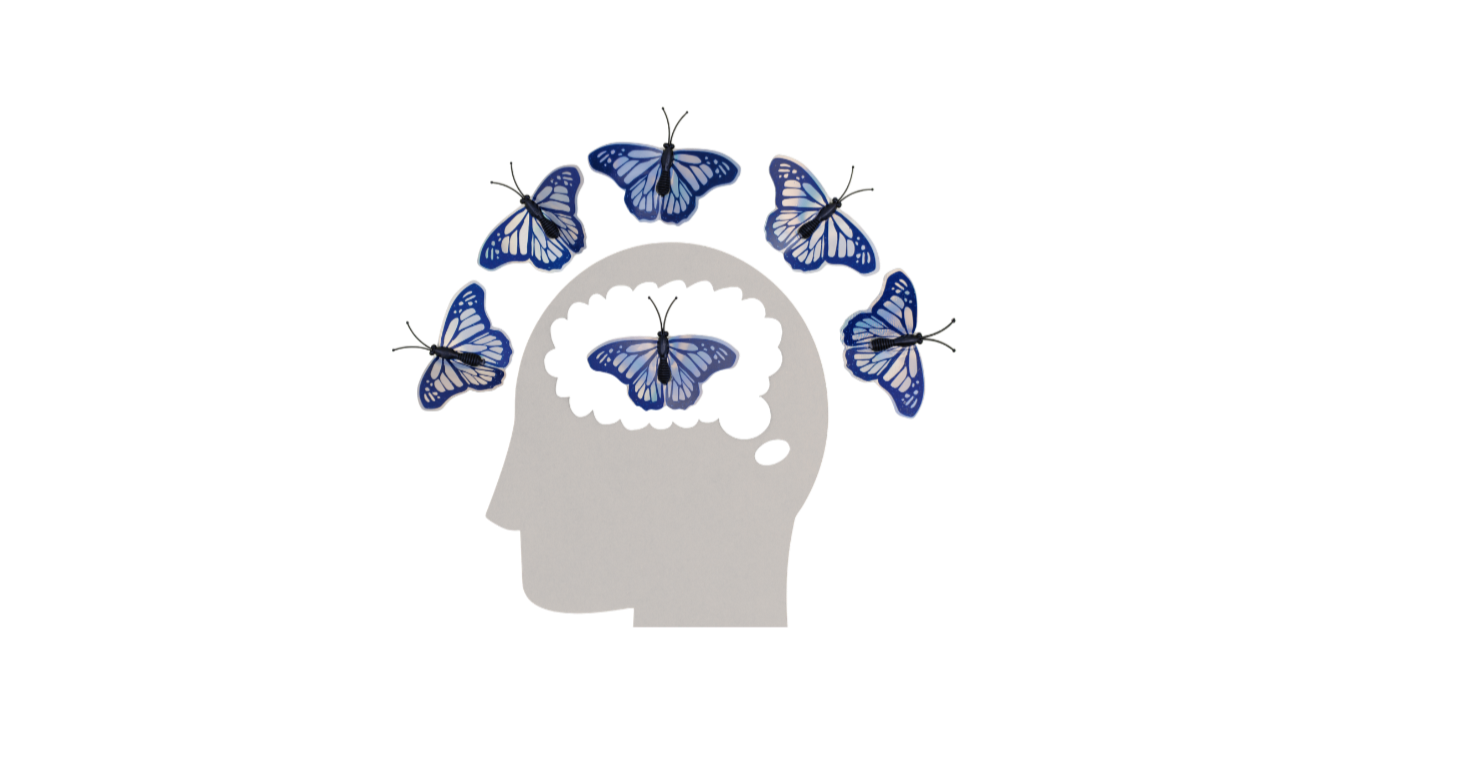
This experience is often referred to as limerence: an intense, involuntary state of romantic or emotional fixation characterized by intrusive thoughts, longing for reciprocation, and heightened sensitivity to cues from the other person.
What is Limerence?
The term limerence was introduced by Dorothy Tennov in the 1970s following extensive interviews on romantic love. She identified a distinct pattern that extends beyond typical attraction: an involuntary, consuming focus on another person, referred to as the Limerent Object (LO), characterized by intrusive thoughts, a strong need for reciprocation, and heightened sensitivity to their responses.
Core features of limerence
Persistent, intrusive thoughts about the LO
Intense desire for emotional reciprocation
Heightened sensitivity to the LO’s mood, tone, and availability
Idealization (amplifying strengths, minimizing flaws)
Physiological arousal (e.g., anxiety, increased heart rate)
Emotional lows when the LO is distant or unresponsive
Limerence can be directed toward romantic partners, friends, mentors, colleagues, or public figures. It is often unreciprocated and may develop without deep relational knowledge, which can sustain its intensity. A 2024 scoping review in the Journal of Police and Criminal Psychology (Bradbury et al., 2025) found that limerence shares features with obsessive states, such as rumination and intrusive thinking, while remaining distinct from Obsessive-Compulsive Disorder, as it is focused on a specific person.
Why ADHD Intensifies Limerence
ADHD and limerence share overlapping neurobiology, which is precisely why their combination can feel so overwhelming. Three mechanisms are particularly relevant.
Hyperfocus and relational attention
ADHD reflects differences in how attention is regulated, including periods of intense, immersive focus known as hyperfocus. A 2025 review highlights hyperfocus as a meaningful and often misunderstood part of ADHD that can be directed toward people and relationships, not just tasks or interests. When your attention locks onto someone, interactions can feel intense and absorbing, with messages and conversations looping in your mind because your brain is engaging deeply with something that feels important (Oroian et al., 2025).
Dopamine, reward, and intermittent reinforcement
ADHD shapes how your brain experiences motivation and reward, often pulling your attention toward what feels new, intense, and immediate in a way that closely mirrors the pull of limerence. When someone’s attention is inconsistent, such as warmth followed by silence and then connection again, it creates intermittent reinforcement, one of the most powerful forms of reward conditioning. For an ADHD brain, this pattern can feel especially compelling because it taps directly into how your brain is wired to respond to interest and reward.
ADHDers report that rejection sensitivity is the most impairing part of their experience, exceeding the daily impact of inattention or executive functioning challenges. In limerence, this sensitivity becomes focused on one person entirely.
Rejection Sensitive Dysphoria (RSD)
Rejection Sensitive Dysphoria, often referred to as RSD, describes the intense emotional pain many ADHDers experience in response to real or perceived rejection, criticism, or indifference. A qualitative study by Ginapp et al. (2023) found that RSD is highly consistent across ADHD experiences, with participants describing both the intensity of the emotional response and the awareness that it can feel out of proportion, even while remaining hard to shift. In limerence, this sensitivity often becomes focused on one person. When that person is warm and responsive it can feel relieving or even euphoric, but when they are distant or unclear even a delayed reply can feel deeply unsettling, as your brain reacts to perceived disconnection with an intensity that is real and hard to turn down.
How Autism Shapes Limerence
The autistic experience of limerence is shaped by distinct cognitive and neurological patterns that differ from ADHD, and understanding these differences is important for meaningful support.
Monotropism: When a Person Becomes a Special Interest
Monotropism is a theory of autistic cognition which suggests that attention is naturally directed deeply and intensely toward a small number of interests at a time. This sustained focused attention is a defining feature of autistic cognition and is distinct from ADHD hyperfocus, even though both involve heightened levels of attention compared to neurotypical patterns (Dwyer et al., 2024). In limerence, a person can take on the role of a special interest, where attention becomes deeply focused and detailed, including thinking about them often, learning more about them, and building rich internal narratives, with the mind returning to them naturally and repeatedly because the same attentional system is engaged, just directed toward a person.
Social Ambiguity and the Search for Certainty
Autistic social experiences often involve a different way of engaging with implicit and emotionally nuanced cues, not a lack of perception but a difference in how ambiguity is processed and resolved. Limerence is built on uncertainty about whether the Limerent Object reciprocates, and when that uncertainty is not easily resolved, the mind can keep searching for clarity, which can sustain and intensify the experience.
Alexithymia and the Delayed Recognition of Limerence
Alexithymia, or difficulty identifying and naming internal emotional states, is more common within autism and can shape how limerence is experienced and understood. The feelings and patterns may be present, such as preoccupation, anxiety when the person is absent, or repeated checking, but without clear language for what is happening, recognition can take longer, allowing the experience to deepen before it is named and making it harder to seek support early.
Attachment Depth and the Weight of Loss
Autistic attachment is often experienced as deep, enduring, and focused on a smaller number of connections. When limerence centers on someone where that depth of connection is forming or imagined, the possibility of losing it can feel especially significant.
The AuDHD Experience
For those who are both autistic and ADHD, often referred to as AuDHD, limerence can reflect a combination of both patterns in ways that feel especially intense and difficult to navigate alone. Hyperfocus and dopamine-driven attention can combine with deep, monotropic focus and strong attachment, making the experience feel immersive and hard to shift, while sensitivity to rejection and social ambiguity can intensify emotional responses and keep thoughts looping. At the same time, difficulty identifying internal emotional states can delay recognizing what is happening, and social or sensory barriers can make it harder to process the experience with others, meaning much of it is carried internally.
When Limerence May Need Support
Limerence is not inherently harmful and can feel energizing, creative, and emotionally vivid, especially early on, but it may need attention when it starts to significantly affect daily life. Signs limerence may need support is:
Intrusive thoughts interfere with work, sleep, or daily functioning
The experience continues without reciprocation and feels difficult to shift
Other relationships receive less attention
The intensity persists regardless of the person’s availability or fit
There is ongoing distress, shame, or self-blame
Support through therapy can help you build self awareness, understand and name what is happening, differentiate it from other experiences, and learn how to manage it.
“As an AuDHD individual and therapist, I know how limerence can feel. Sometimes it passes, and sometimes it stays, and when it attaches it can feel all-consuming, like being stuck with no clear timeline for it to ease, while starting to affect different areas of your life.”
References
Bradbury, P., Short, E., & Bleakley, P. (2025). Limerence, hidden obsession, fixation, and rumination: A scoping review of human behaviour. Journal of Police and Criminal Psychology, 40(2), 417-426. https://doi.org/10.1007/s11896-024-09674-x
Dwyer, P., Williams, Z. J., Lawson, W. B., & Rivera, S. M. (2024). A trans-diagnostic investigation of attention, hyper-focus, and monotropism in autism, attention dysregulation hyperactivity development, and the general population. Neurodiversity, 2. https://doi.org/10.1177/27546330241237883
Ginapp, C. M., Greenberg, N. R., MacDonald-Gagnon, G., Angarita, G. A., Bold, K. W., & Potenza, M. N. (2023). “Dysregulated not deficit”: A qualitative study on symptomatology of ADHD in young adults. PloS One, 18(10), Article e0292721. https://doi.org/10.1371/journal.pone.0292721
Oroian, B. A., Nechita, P., & Szalontay, A. (2025). Hyperfocus in ADHD: A misunderstood cognitive phenomenon. European Psychiatry, 68(S1), S306-S306. https://doi.org/10.1192/j.eurpsy.2025.662