
Mental Health and well-being Resources
Eating Disorder Resources
Browse by Resource Type
What Is an Eating Disorder?
Eating disorders are complex mental health conditions that affect a person’s relationship with food and body image, can impact anyone regardless of age, gender, or body size, and develop through a combination of biological, genetic, psychological, and environmental factors, but with appropriate treatment and support, recovery is possible.
Avoidant/Restrictive Food Intake Disorder (ARFID)
Restricting food intake because of sensory sensitivities, low interest in food, or fear of unpleasant consequences, rather than concerns about body weight or shape.
Anorexia Nervosa
An eating disorder involving food restriction, intense fear of weight gain, and difficulties with body image.
Types of Eating Disorders
Binge-Eating Disorder (BED)
Recurrent episodes of eating unusually large amounts of food with a feeling of loss of control, often accompanied by distress.
Unspecified Feeding or Eating Disorder (UFED)
Significant eating-related difficulties when there is insufficient information to specify a particular diagnosis.
Bulimia Nervosa
Recurrent episodes of binge eating followed by compensatory behaviors, such as vomiting or excessive exercise.
Pica
Persistent eating of non-food substances that are not part of customary or culturally supported practices.
Other Specified Feeding or Eating Disorder (OSFED)
Significant eating disorder symptoms that cause distress or impairment but do not meet all the criteria for another specific disorder.
Rumination Disorder
Repeated regurgitation of food, which may be rechewed, reswallowed, or spat out.
Learn More about the Specific Types of Eating Disorders
Books
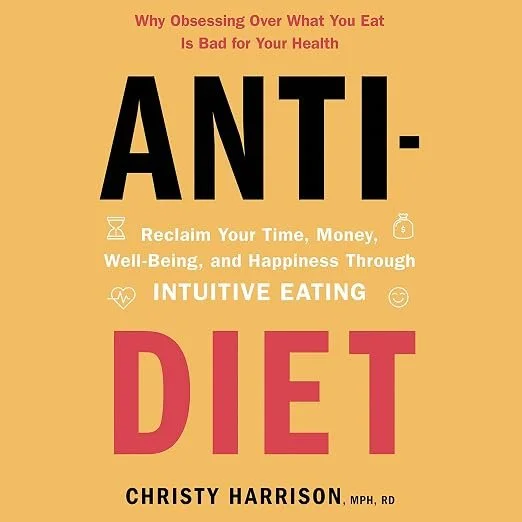
‘Anti-Diet’
by Christy Harrison
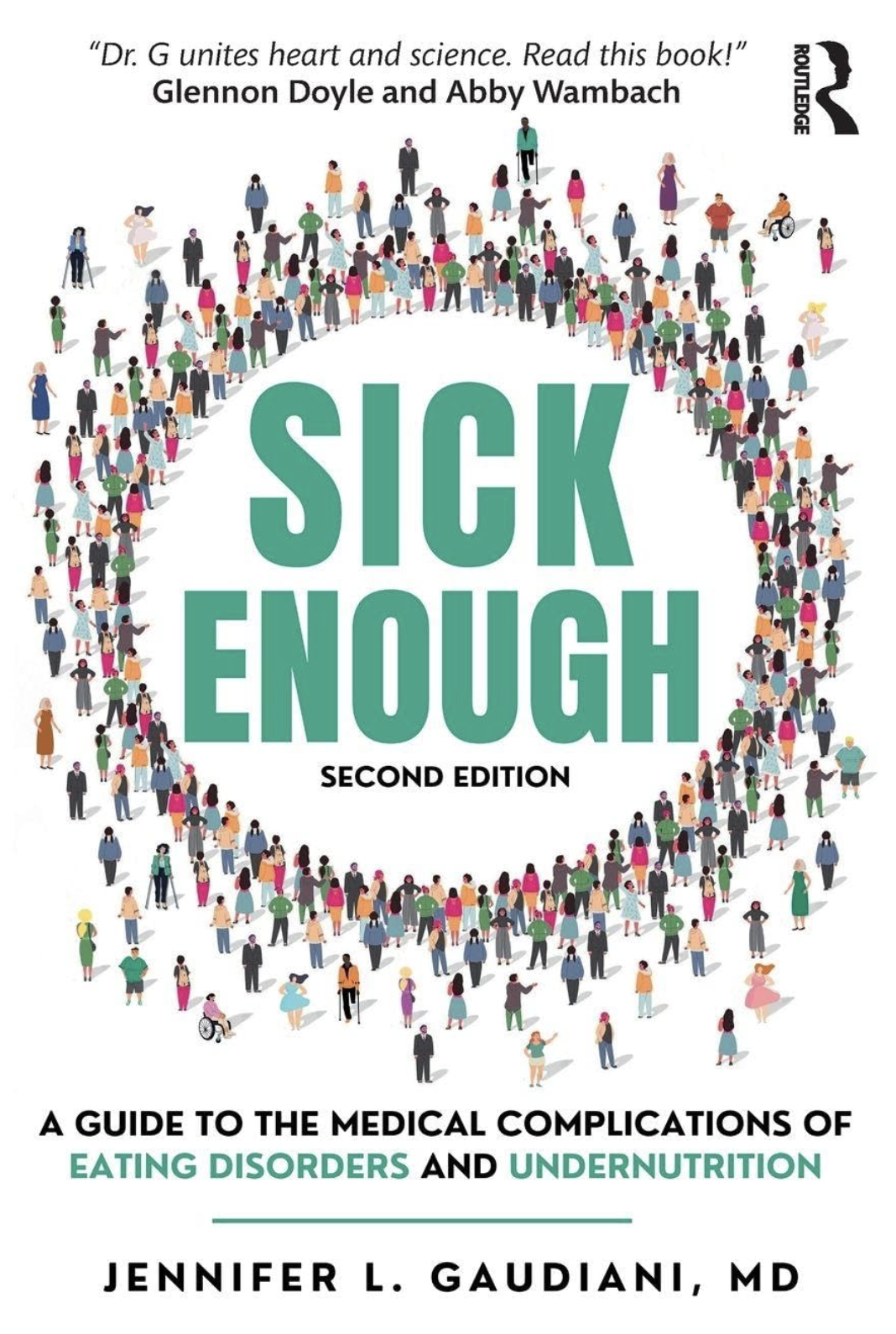
‘Sick Enough: A Guide To The Medical Complications Of Eating Disorders’
by Jennifer L. Gaudiani